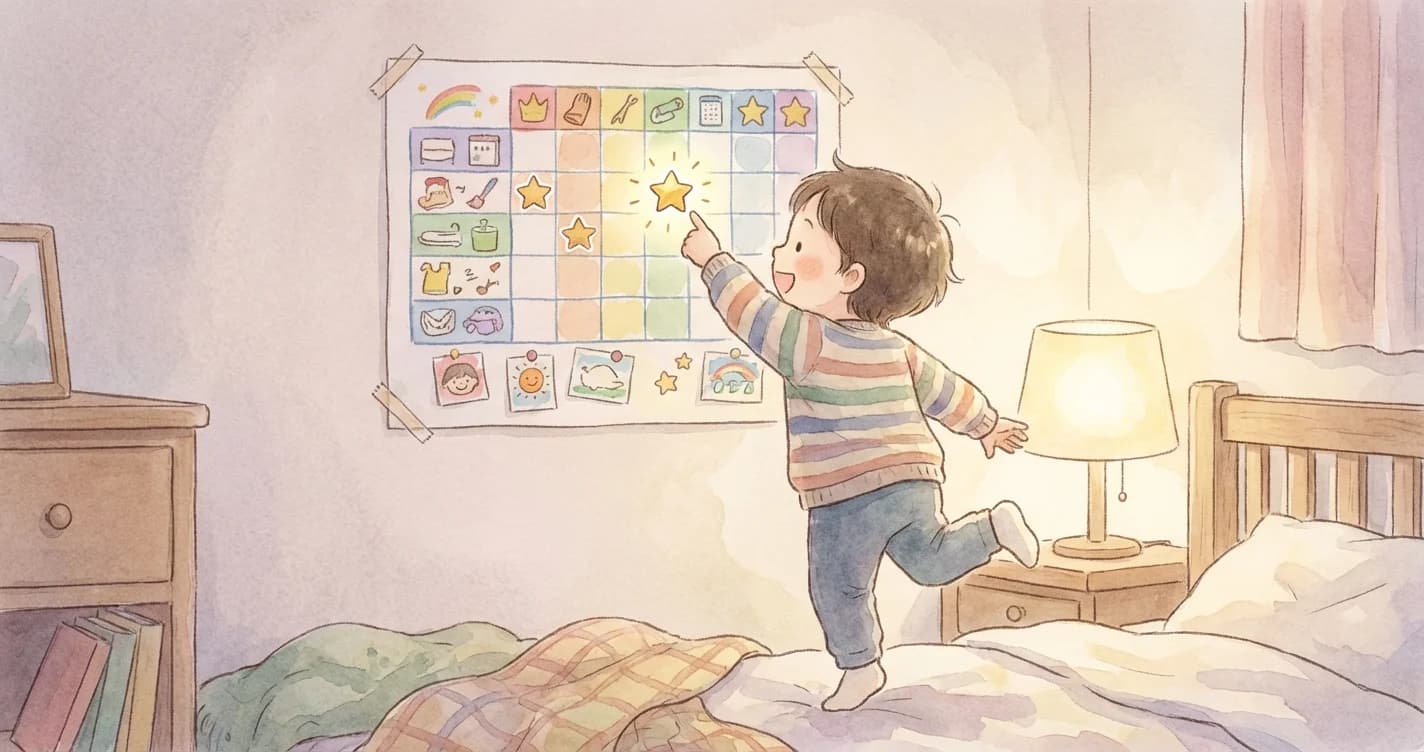
The Problem with Separation
Most homeschool families use one app for school planning and a separate system (or no system) for chores. This creates three problems:
Two systems to manage
You check the curriculum planner for school tasks and a separate chore chart for household tasks. Double the admin work.
Chores feel like punishment
When school has its own structured system but chores are just nagging, kids see chores as inferior "not-school" tasks.
Missed teaching opportunities
Cooking IS math. Budgeting IS financial literacy. But when chores live outside the "school" system, these connections go unnoticed.
6 Benefits of Integration
Applied Academics
Cooking is chemistry and fractions. Budgeting is math. Gardening is biology. Chores ARE learning.
Single System
One dashboard, one task list, one place to check. Nothing falls through the cracks between two apps.
Movement Breaks
A 10-minute chore between subjects re-energizes kids better than sitting idle. Physical activity improves focus.
Unified Motivation
Points for math AND dishes means the gamification system is always active. No "school mode" vs "chore mode."
Real-World Skills
Traditional schools teach academics but not life skills. Homeschool can do both — if you integrate them.
Time Management
Kids learn to balance different types of tasks. This is the exact skill they need as adults.
A Sample Integrated Day
Notice how chores are woven between academic blocks. The student doesn't see "school time" and "chore time" — they see their daily task list with points for everything.
The insight: when everything earns points, kids stop seeing chores as "non-school" drudgery and start seeing them as just another way to build their streak and climb the leaderboard.
The Gamified Homeschool
No homeschool planner in the market offers gamification. But every parent knows: motivated kids learn faster and complain less. Here's how points work across both chores and school:
Weighted Points
Harder tasks earn more. A math lesson might be 20 XP while making the bed is 5 XP. Parents control the values, incentivizing the tasks that matter most.
Daily Streaks
Complete ALL tasks (school + chores) for 5 consecutive days? Streak bonus. Kids protect their streaks fiercely — and the "all tasks" requirement means chores can't be skipped.
Sibling Leaderboards
Healthy competition drives effort. "I'm only 30 points behind my brother" is more motivating than any parental lecture about responsibility.
Redeemable Rewards
Points can convert to privileges (screen time, special activities) or real money on their debit card. The connection between effort and reward becomes tangible.