Building Good Habits in Children: A Parent's Guide
Habits are the foundation of responsibility. Learn the science of habit formation and practical strategies to help your kids build routines that last a lifetime.
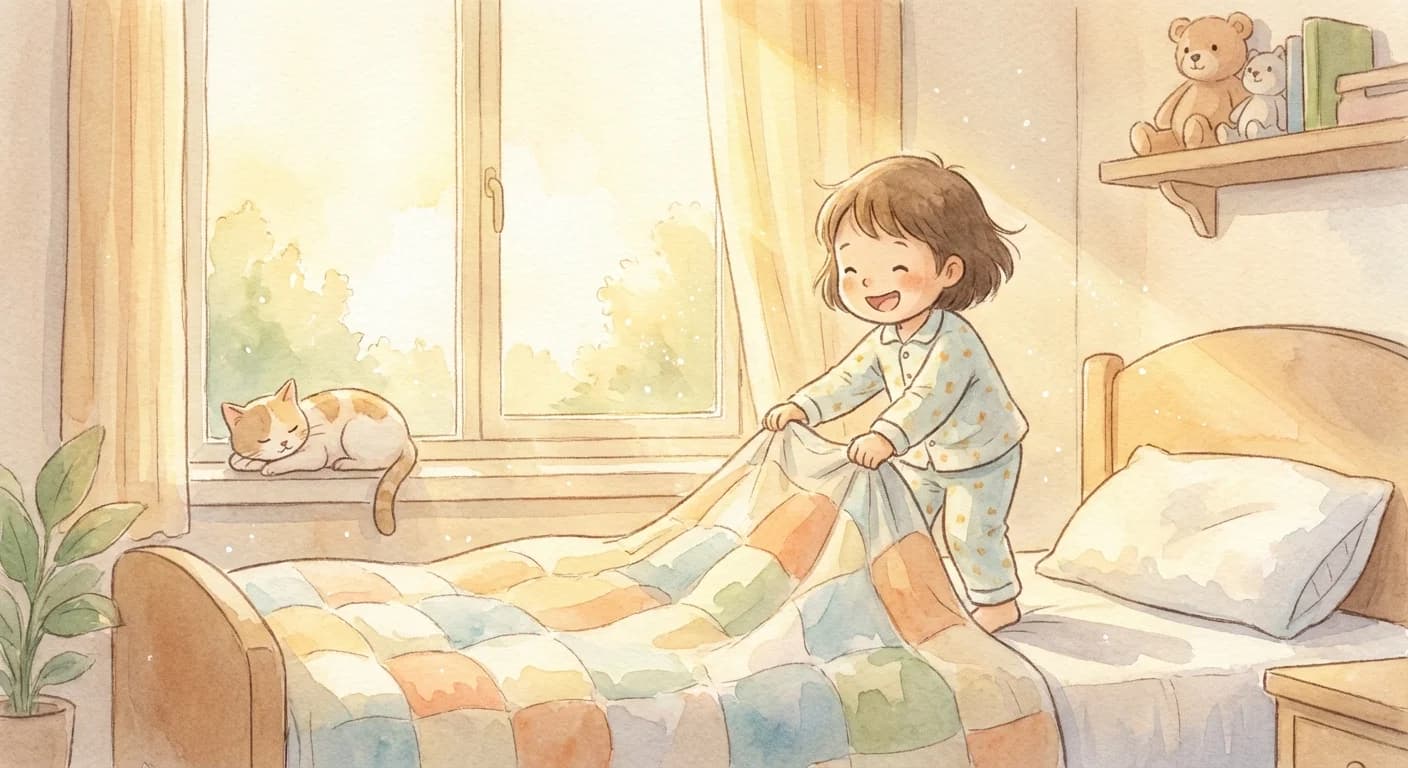
Why do some habits stick while others fade? Research shows that habit formation follows predictable patterns. Understanding these patterns helps parents create environments where good habits become automatic for kids.
Key insight: It takes an average of 66 days to form a new habit, not 21 as commonly believed. Patience and consistency matter more than intensity.
The Habit Loop: How Habits Work
Every habit follows a four-stage pattern called the Habit Loop. Understanding each stage helps you design habits that stick.
Cue
The trigger that initiates the behavior
Examples:
- -Alarm goes off in the morning
- -Coming home from school
Make cues obvious and consistent. Visual reminders, sounds, and location-based triggers work well for kids.
Craving
The motivation or desire behind the habit
Examples:
- -Wanting to feel accomplished
- -Avoiding parental nagging
Connect habits to things kids care about. Gamification creates cravings through points, streaks, and competition.
Response
The actual habit or behavior performed
Examples:
- -Making the bed
- -Putting backpack away
Start with easy wins. A habit that takes 2 minutes is more likely to stick than one that takes 20.
Reward
The benefit that reinforces the habit
Examples:
- -Earning points in ChoreSplit
- -Screen time access
Immediate rewards work better than delayed ones. Digital points provide instant gratification.
Habit Building by Age
Habit strategies should evolve as kids grow. What works for a 4-year-old won't work for a teenager.
3-5 Years
Focus Areas:
Key Strategies:
- Use picture charts showing each step
- Make it a game with songs and timers
- Celebrate immediately after completion
- Keep routines very short (3-5 steps max)
Sample Routine:
- Wake up7:00 AM
- Use bathroom7:05 AM
- Get dressed7:10 AM
- Eat breakfast7:20 AM
- Brush teeth7:40 AM
6-9 Years
Focus Areas:
Key Strategies:
- Introduce checklists they manage themselves
- Build in natural consequences
- Use streak tracking for motivation
- Allow some choice within structure
Sample Routine:
- Make bedBefore school
- Pack backpackNight before
- Homework time4:00 PM
- Tidy roomBefore dinner
- Prepare clothesBefore bed
10-13 Years
Focus Areas:
Key Strategies:
- Set goals together, not for them
- Track progress visually (apps work great)
- Discuss the "why" behind habits
- Give ownership of their systems
Sample Routine:
- Morning routineSelf-managed
- School preparationSelf-managed
- After-school tasksDeadline-based
- Evening choresBefore 8 PM
- Next-day prepBefore bed
14+ Years
Focus Areas:
Key Strategies:
- Focus on intrinsic motivation
- Connect habits to their goals
- Allow natural consequences fully
- Be a coach, not a manager
Sample Routine:
- Personal routineSelf-determined
- Academic responsibilitiesSelf-managed
- Household contributionsWeekly commitment
- Personal goalsSelf-tracked
5 Common Mistakes Parents Make
Too Many Habits at Once
Willpower is limited. Adding 5 new habits overwhelms kids and leads to failure on all of them.
Fix: Start with ONE habit. Master it for 3-4 weeks before adding another.
Relying on Motivation
Motivation fluctuates daily. Waiting until kids "feel like it" means habits never form.
Fix: Build systems and routines. Habits happen automatically when tied to existing cues.
Expecting Perfection
Missing one day feels like failure, leading kids to give up entirely.
Fix: Never miss twice. One slip is fine; two breaks the habit. Celebrate getting back on track.
Vague Expectations
"Clean your room" means different things to parents and kids.
Fix: Be specific: "Make bed, put clothes in hamper, toys in bin." Checklists remove ambiguity.
Delayed Rewards
Kids are wired for immediate gratification. "You'll thank me later" doesn't motivate.
Fix: Provide immediate feedback. Points, checkmarks, and praise right after completion.
Tools for Building Habits
Visual Charts
Picture-based routines for younger kids. Stickers provide tangible rewards.
Habit Trackers
Apps like ChoreSplit gamify habits with points and streaks for older kids.
Timers
Visual timers help kids understand time and add urgency to tasks.
Checklists
Written or digital lists give kids ownership and clear expectations.